
Morocco Entry Requirements & Travel Insurance | What to Know
Everything you need to know about passports, visas, and travel insurance before visiting Morocco.
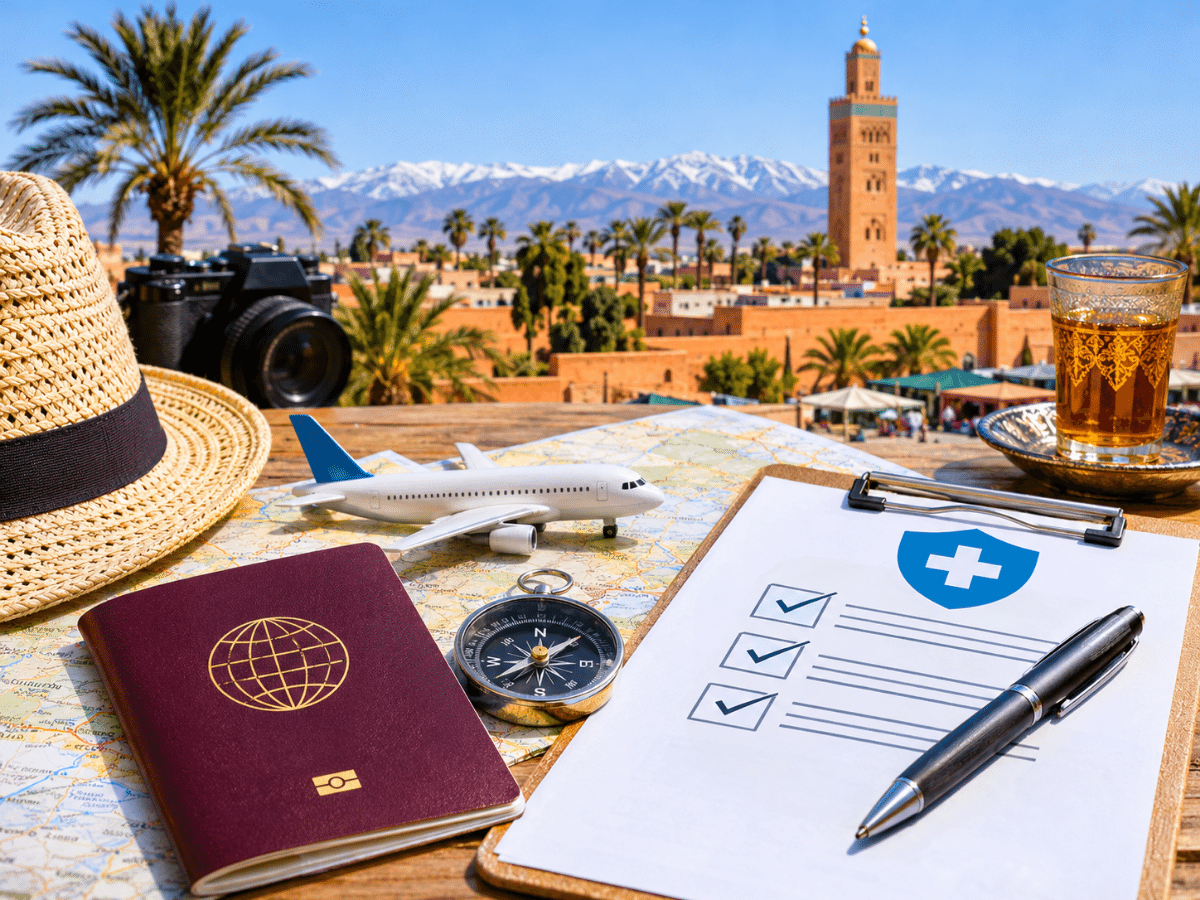
Understanding Morocco Entry Requirements is an important step before booking or travelling. Check the rules for your passport, confirm whether you need a visa, and arrange suitable travel insurance. Requirements differ by nationality, passport type, travel purpose, and route. Preparing early can help prevent problems at airline check-in or at the border.
Check Your Passport Validity
Checking these details carefully is an important part of meeting the Morocco Entry Requirements for your nationality and avoiding potential travel delays.
Most international visitors need a valid passport to enter Morocco. Check its expiry date and make sure it is in good condition, with readable details and no damaged or missing pages. A damaged passport can cause problems at the airport or border.
Passport-validity rules differ by nationality. For example, current UK government guidance says a British citizen passport must have at least three months of validity remaining after arrival in Morocco. Morocco’s National Tourist Office says visitors need a valid passport; for organised trips, it must cover at least the stay. Other governments may advise a different period.
Do not assume one country’s rule applies to everyone. Check Moroccan authorities’ information, your government’s travel advice, and your airline’s requirements. If your passport is close to expiry, damaged, or an emergency travel document, contact a Moroccan embassy or consulate before travelling.
Visa Rules for Tourists
Whether you need a visa depends on your nationality, passport type, and reason for visiting. Many visitors can enter Morocco visa-free for tourism for a limited stay, commonly up to 90 days, but this exemption does not apply to everyone. Some travellers need a visa before departure. Eligible applicants may be able to use Morocco’s electronic visa or travel authorisation procedures.
Before booking, confirm whether your passport qualifies for visa-free entry, whether you need an eVisa or authorisation, and how long you may stay. Check the rules for every traveller, including children. Do not rely on old articles or advice from someone holding a different passport, because requirements can change.
If you plan to stay longer than your authorised period, contact Moroccan authorities about the correct extension procedure before your permission expires. Do not overstay. For current electronic visa and travel authorisation information, use the official Accès Maroc portal and consult the Moroccan National Tourist Office travel formalities page. If your situation is unclear, contact a Moroccan consulate.
Essential Travel Documents for Morocco
Even if you do not need a visa, keep your travel information organised. Airline staff may check documents before boarding, and border officials may ask about the purpose or length of your visit. Useful documents may include:
- A valid passport and any required visa or electronic authorisation.
- Return or onward travel details, if requested.
- Accommodation confirmations and the address of your first stay.
- Details of your private tour or transport booking, if applicable.
- Your travel insurance policy and emergency contact numbers.
- Secure digital copies of important documents, stored separately from originals.
Check your airline’s rules, especially if you have connecting flights. Transit countries may have their own visa or passport requirements, even if you remain inside the airport. Make sure your ticket name matches your travel document.
Travel Insurance for a Morocco Holiday
Travel insurance is strongly recommended for a holiday in Morocco. It is not a universal entry requirement for every tourist, although a particular visa or travel arrangement may have insurance conditions. Check the rules for your nationality and visa type.
Choose a policy that can help with unexpected costs. Look for emergency medical treatment, hospital stays, medical evacuation, and repatriation. Depending on your needs, you may also want cancellation or interruption, baggage loss, theft, and travel-delay cover.
Read the policy before buying. Check cover limits, excess payments, exclusions, pre-existing medical-condition rules, and how to contact the insurer in an emergency. Keep your policy and emergency number on your phone and separately from your passport.
Check Insurance Cover for Your Planned Activities
Standard travel insurance does not automatically cover every holiday activity. This matters if your Morocco itinerary includes camel riding, quad biking, buggy excursions, hiking, and cycling. Insurers may classify these activities differently. Some policies exclude certain activities or require an additional option.
Describe your planned activities to the insurer and ask for written confirmation that they are covered. Check whether the policy includes emergency treatment and evacuation from remote areas, and whether it restricts guided or unguided activities. Do not assume an activity is insured simply because it appears in a tour itinerary; the tour provider and insurer have different responsibilities.
Travelling to Morocco with Children
Check travel-document requirements for every child before departure. Each child generally needs their own valid passport or other accepted travel document. Requirements can vary when a child travels with one parent, a guardian, or another adult. Airlines or border authorities may ask for a consent letter, birth certificate, or other supporting documents in some circumstances.
Check with your airline and the relevant authorities in the departure country and Morocco. If a child has a different surname from the accompanying adult, documents explaining the relationship may help answer questions. Consider a family travel insurance policy that covers every traveller. Review medical expenses, emergency assistance, cancellation, baggage, and age-related conditions.
Final Morocco Entry Requirements Checklist
Before leaving home, confirm the essentials for every person in your party:
- Check the validity and condition of every traveller’s passport.
- Confirm visa or electronic authorisation requirements.
- Check airline rules and transit-country requirements.
- Arrange insurance that matches your itinerary and activities.
- Save accommodation, transport, and emergency contact details.
- Keep copies of important documents separately from originals.
- Check whether children need additional supporting documents.
- Review official entry information and travel advice shortly before departure.
Entry rules and travel advice can change. Use official government and airline sources for your final check, especially if you booked months in advance. If information is unclear, contact the relevant authority rather than relying on an old online article.
Prepare Before You Travel
Checking Morocco entry requirements and arranging suitable travel insurance are important steps before your trip. Passport and visa rules depend on nationality and individual circumstances, while insurance should match your itinerary, activities, and needs. Confirm the latest information through official sources before departure. With careful preparation, you can begin your Morocco holiday with greater confidence.
Enjoy Your Morocco Holiday with Sahara Family Tours
Once you have checked your documents and arranged suitable insurance, you can focus on enjoying your holiday. Sahara Family Tours arranges private Morocco tours for families, couples, and groups of friends. Our tailor-made journeys can include Marrakech, the Atlas Mountains, Aït Ben Haddou, the Draa Valley, and the Merzouga Desert. We organise private tours rather than shared group excursions.
A private itinerary lets you discuss your route, dates, pace, and interests before travelling. Families can consider travel times and stops, while couples and friends can shape a route around culture, scenery, and time in the desert.
Sahara Family Tours can help organise your private itinerary and transport arrangements, but travellers remain responsible for checking their passport and visa eligibility and arranging suitable travel insurance. Confirm that your policy covers your planned activities.
To discuss your plans, visit Sahara Family Tours and contact us using the WhatsApp button on our website for a quick response and personalised tour planning. Email: saharafamilytours@gmail.com.
