
History of Morocco | Ancient Cities, Dynasties & Culture
Explore Morocco’s Ancient Civilizations, Dynasties, Historic Cities and Cultural Heritage
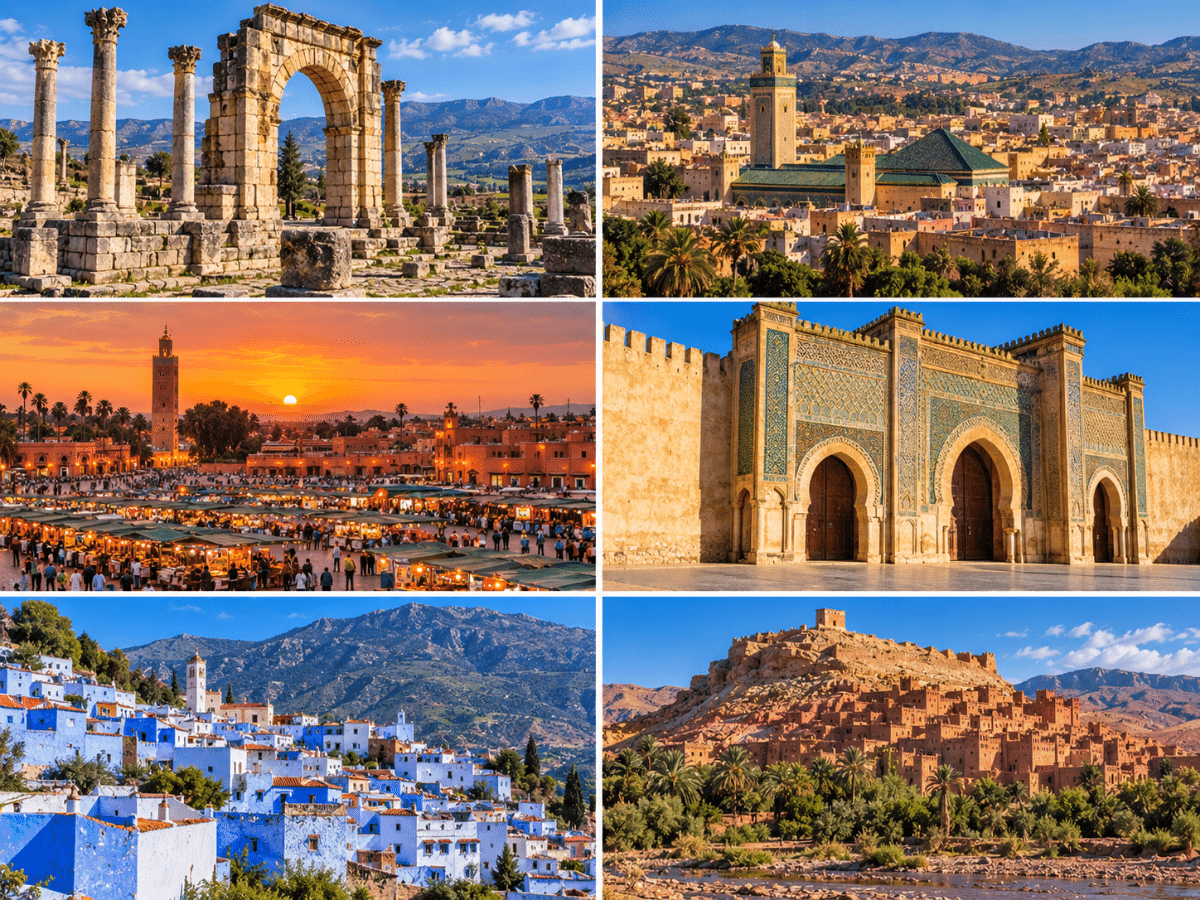
Morocco has a long and fascinating history shaped by ancient civilizations, powerful dynasties, trade routes and cultural exchanges. From the Roman ruins of Volubilis to the historic medinas of Fes and Marrakech, the country offers many opportunities to explore its rich heritage.
Travelers interested in the history of Morocco can discover ancient sites, traditional architecture, historic monuments and local customs throughout the country. Moreover, the nation’s diverse past has created a unique cultural identity that combines Amazigh, Arab, African, Andalusian, Jewish and European influences.
Ancient Morocco and Amazigh Heritage
The history of Morocco goes back thousands of years. The Amazigh people, also known as Berbers, have lived across North Africa for centuries and remain an important part of Moroccan culture and identity.
Visitors can discover Amazigh heritage in the Atlas Mountains, southern Morocco and the Sahara region. Traditional villages, handicrafts, music, architecture and local customs provide a connection to Morocco’s ancient traditions.
Phoenician and Roman Influences
Morocco also played a role in ancient Mediterranean trade. Phoenician and Carthaginian traders established connections with settlements along the Moroccan coast.
Later, the Roman Empire controlled parts of northern Morocco. One of the most impressive archaeological sites from this period is Volubilis, near Meknes. Its Roman ruins, mosaics, columns and ancient streets offer an insight into the country’s Roman past.
The Rise of Islamic Morocco
Islam reached Morocco during the 7th and 8th centuries. Over time, Islamic culture, architecture and scholarship became central to Moroccan society.
The development of cities such as Fes helped Morocco become an important center of education, religion, trade and craftsmanship. The historic medina of Fes remains one of the best places to experience Morocco’s medieval heritage.
Morocco’s Great Dynasties
Several Moroccan dynasties played an important role in shaping the country. These included the Idrisid, Almoravid, Almohad, Marinid, Saadian and Alaouite dynasties.
The Almoravids and Almohads expanded their influence across large parts of North Africa and the Iberian Peninsula. During later periods, cities such as Fes, Marrakech, Meknes and Rabat became important political and cultural centers.
Today, visitors can explore monuments, mosques, gates, palaces and historic neighborhoods connected with these different dynasties.
Fes, Marrakech and Morocco’s Imperial Cities
Morocco’s imperial cities provide some of the country’s most important historical attractions.
Fes is famous for its ancient medina, traditional crafts and historic educational institutions. Marrakech is known for its red architecture, lively souks and monuments from different periods.
Meknes offers impressive gates and historic structures, while Rabat, Morocco’s modern capital, combines historic landmarks with more recent architectural influences.
Exploring these cities offers an excellent way to understand Moroccan history through architecture, food, markets and everyday life.
Morocco and Andalusian Culture
Morocco has maintained strong historical connections with Andalusia in southern Spain. Over the centuries, people, ideas, architecture, music and traditions moved between Morocco and the Iberian Peninsula.
Andalusian influences still appear in Moroccan architecture, gardens, music and traditional arts. These connections are especially visible in historic cities such as Fes, Tetouan and Chefchaouen.
Jewish Heritage in Morocco
Jewish communities have also formed an important part of Moroccan history for centuries. Visitors can discover their heritage in several Moroccan cities through historic mellahs, synagogues, cemeteries and cultural sites.
Places such as Fes, Marrakech, Essaouira and Meknes offer opportunities to learn about the long history of Jewish communities in Morocco.
Morocco During the Modern Era
During the 19th and early 20th centuries, European political and economic influence in Morocco increased. In 1912, France and Spain established protectorate zones in Morocco, while Tangier had a separate international status.
Morocco regained independence in 1956, marking an important turning point in the nation’s modern history. Since then, Morocco has continued to develop while maintaining many of its historic traditions, monuments and cultural practices.
Explore Moroccan History With Sahara Family Tours
A journey through Morocco is also a journey through centuries of history. From ancient Roman ruins and imperial cities to Amazigh villages and Sahara Desert traditions, travelers can discover different chapters of Moroccan heritage in one trip.
Sahara Family Tours can help you explore Morocco through private tours and personalized itineraries. Depending on your interests, your journey can include historic medinas, archaeological sites, traditional markets, cultural experiences, the Atlas Mountains and the Sahara Desert.
Whether you are interested in Morocco history, ancient civilizations, Moroccan dynasties, cultural heritage or historic cities, we can help you plan a memorable private Morocco tour.
📧 Email: saharafamilytours@gmail.com
💬 WhatsApp: Contact us directly using the WhatsApp button on our website for a quick response and personalized tour planning.
