
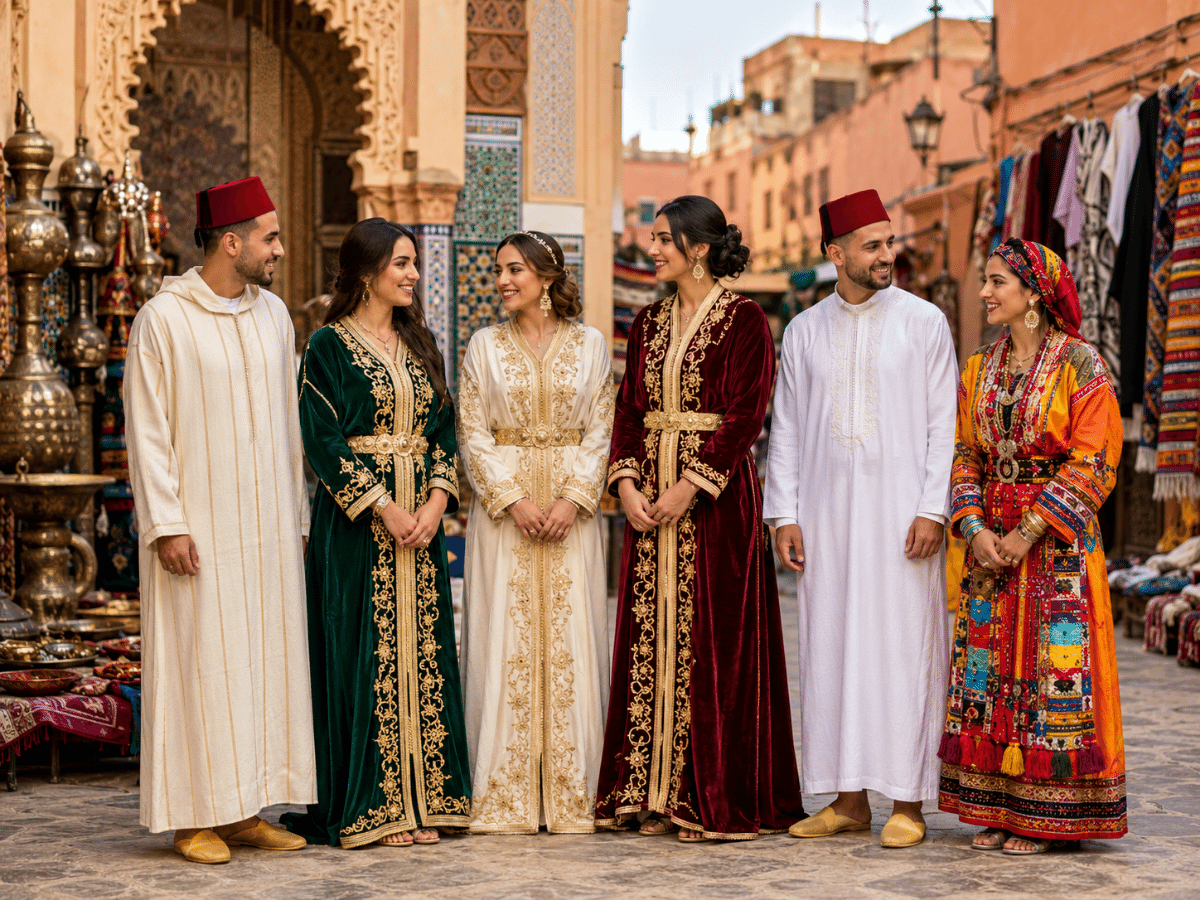
Morocco Traditional Clothing | Moroccan Dress & Cultural Style
A Guide to Traditional Moroccan Clothes, Caftans, Djellabas and Regional Fashion
Morocco traditional clothing is an important part of the country’s rich cultural heritage. From the elegant Moroccan caftan to the practical djellaba and the colorful outfits worn during celebrations, traditional dress reflects Morocco’s history, craftsmanship, regional diversity, and cultural identity. Moreover, during your trip with Sahara Family Tours, you can discover how Moroccan clothing remains an important part of everyday life and special occasions.
Traditional Clothing in Morocco
Traditional Moroccan clothing combines influences from Amazigh, Arab, Andalusian, African, and Mediterranean cultures. Although modern fashion is popular in Morocco, traditional garments are still widely worn, especially during weddings, religious celebrations, family events, and cultural festivals.
In addition, visitors traveling through Morocco will notice that clothing styles can vary from one region to another. Cities such as Marrakech, Fes, Casablanca, and Rabat have their own fashion traditions. Meanwhile, rural areas continue to preserve distinctive regional styles and handmade textiles.
The Moroccan Djellaba
The djellaba is one of the most recognizable examples of traditional Moroccan clothing. This long, loose-fitting garment is worn by people of all genders in Morocco. Generally, it is made from lightweight fabric in warm weather and thicker wool during the colder months.
In addition, many djellabas include a pointed hood, known as a qob, which traditionally provides protection from the sun, wind, and rain. Today, the Moroccan djellaba remains popular because it is comfortable, practical, and deeply connected to Moroccan culture.
The Elegant Moroccan Caftan
The Moroccan caftan is internationally famous for its elegance and detailed craftsmanship. In particular, it is associated with weddings, celebrations, and formal occasions.
Traditional Moroccan caftans may feature:
- Hand embroidery
- Decorative buttons
- Silk or luxurious fabrics
- Gold or silver thread
- Traditional belts
- Regional patterns and designs
During Moroccan weddings, guests and members of the wedding party may wear several traditional outfits, including beautifully decorated caftans and takchitas. As a result, these garments often represent family traditions and Moroccan craftsmanship passed down through generations.
The Takchita: A Traditional Moroccan Formal Outfit
The takchita is another important form of traditional Moroccan clothing. Typically, it consists of two layers: an inner dress and an outer decorative garment. Additionally, a traditional belt, known as a mdamma, completes the outfit.
The takchita is especially popular for weddings, engagement parties, and important celebrations. However, its colors, embroidery, and accessories can vary depending on personal taste and regional traditions.
Traditional Moroccan Clothing for Formal Occasions
Traditional Moroccan clothing is worn for religious occasions, weddings, cultural events, and other important celebrations. For example, common traditional garments include:
Djellaba
A long robe with a hood that is suitable for everyday wear and formal occasions.
Gandoura
A lighter, sleeveless or short-sleeved traditional robe often worn during warm weather.
Moroccan Fes
The traditional red hat, sometimes called a tarbouche, is an iconic symbol of Moroccan heritage and formal dress.
Amazigh Traditional Clothing in Morocco
Amazigh culture has made a significant contribution to Moroccan traditional clothing. Across Morocco, different Amazigh communities have preserved distinctive styles of dress, jewelry, colors, and embroidery.
For example, traditional Amazigh clothing may include colorful fabrics, handmade accessories, silver jewelry, and symbolic patterns. These designs often reflect local traditions and can differ between regions such as the Atlas Mountains, the Rif, and southern Morocco.
Furthermore, traditional Amazigh jewelry is an important part of cultural identity and is frequently worn during festivals and special occasions.
Moroccan Traditional Clothing by Region
One of the most interesting aspects of Moroccan traditional clothing is its regional diversity. As you travel through the country, you can see how local history, climate, craftsmanship, and cultural traditions influence clothing styles.
Marrakech and Southern Morocco
Traditional clothing in southern Morocco often features colorful fabrics and Amazigh influences. For visitors, traditional markets and artisan workshops offer opportunities to discover local garments and craftsmanship.
Fes The Cultural Heart of Morocco
Fes is famous for its refined craftsmanship, traditional textiles, embroidery, and elegant caftans. In particular, the city’s historic medina is an excellent place to discover Moroccan fashion traditions.
The Atlas Mountains
Mountain communities preserve distinctive Amazigh clothing styles, often combined with handmade jewelry and colorful textiles. Therefore, visiting mountain communities can provide a different perspective on Morocco’s diverse clothing traditions.
Coastal Cities
In coastal cities, traditional clothing may combine Moroccan heritage with Mediterranean influences. As a result, local styles can be both traditional and modern.
When Do Moroccans Wear Traditional Clothing?
Traditional Moroccan clothing is worn on many occasions, including:
- Weddings
- Religious celebrations
- Eid holidays
- Family gatherings
- Cultural festivals
- Traditional ceremonies
- Special events
In addition to these occasions, many Moroccans wear djellabas regularly as comfortable everyday clothing.
Where Can Visitors Buy Moroccan Traditional Clothing?
Travelers can find traditional Moroccan clothing in souks, traditional markets, artisan shops, boutiques, and modern fashion stores.
For example, popular destinations for shopping include Marrakech, Fez, Rabat, Casablanca, and smaller towns known for local craftsmanship. However, the selection and quality can vary between shops.
For this reason, a local guide can help visitors understand the differences between handmade and mass-produced garments and discover authentic Moroccan products.
Discover Moroccan Culture with Sahara Family Tours
Exploring Moroccan traditional clothing is a wonderful way to understand the country’s culture, history, and regional diversity. During your journey through Morocco, you can visit traditional markets, artisan workshops, historic medinas, and local communities where cultural traditions remain alive.
Sahara Family Tours offers personalized Morocco travel experiences for travelers who want to discover authentic destinations, cultural traditions, the Sahara Desert, imperial cities, mountain villages, and local Moroccan life.
Whether you are interested in Moroccan fashion, traditional crafts, Amazigh culture, or cultural experiences, a private Morocco tour can help you discover the country beyond the main tourist attractions.
Frequently Asked Questions About Moroccan Traditional Clothing
What is the traditional clothing of Morocco?
The most famous traditional Moroccan garments include the djellaba, caftan, takchita, gandoura, and traditional Amazigh clothing. Together, these garments represent different aspects of Morocco’s cultural and regional heritage.
What is a Moroccan djellaba?
A djellaba is a long, loose-fitting traditional garment, often with a pointed hood. It is commonly worn by people of all genders in Morocco, both for everyday life and for certain formal or cultural occasions.
What is the difference between a caftan and a takchita?
A Moroccan caftan is generally a single-layer traditional dress, while a takchita usually consists of two layers and is often worn for weddings and formal celebrations. Therefore, the takchita is generally more elaborate and layered, although styles can vary.
Can tourists wear traditional Moroccan clothing?
Yes. Visitors are welcome to wear traditional Moroccan clothing. In fact, it can be a memorable way to experience local culture, especially during cultural events and celebrations. Nevertheless, visitors should always dress respectfully and consider the setting and occasion.
Where can I see traditional Moroccan clothing?
You can discover traditional Moroccan clothing in souks, medinas, artisan workshops, museums, cultural festivals, weddings, and local communities throughout Morocco. Additionally, regional markets and cultural events can provide opportunities to see different styles and textiles.
Experience Morocco’s Living Traditions
Moroccan traditional clothing is more than fashion. Instead, it tells stories of history, identity, craftsmanship, and cultural diversity. From the elegant caftans of Moroccan celebrations to the colorful traditions of Amazigh communities, traditional clothing remains an important part of everyday Moroccan life.
Overall, exploring traditional Moroccan clothing provides a meaningful way to understand the country’s cultural heritage. At the same time, it allows visitors to appreciate the artisans, communities, and traditions that continue to keep these practices alive.
Plan your cultural journey with Sahara Family Tours and discover the traditions, landscapes, cities, and authentic experiences that make Morocco a unique destination.
📧 Email: saharafamilytours@gmail.com
💬 WhatsApp: Contact us directly using the WhatsApp button on our website.
