
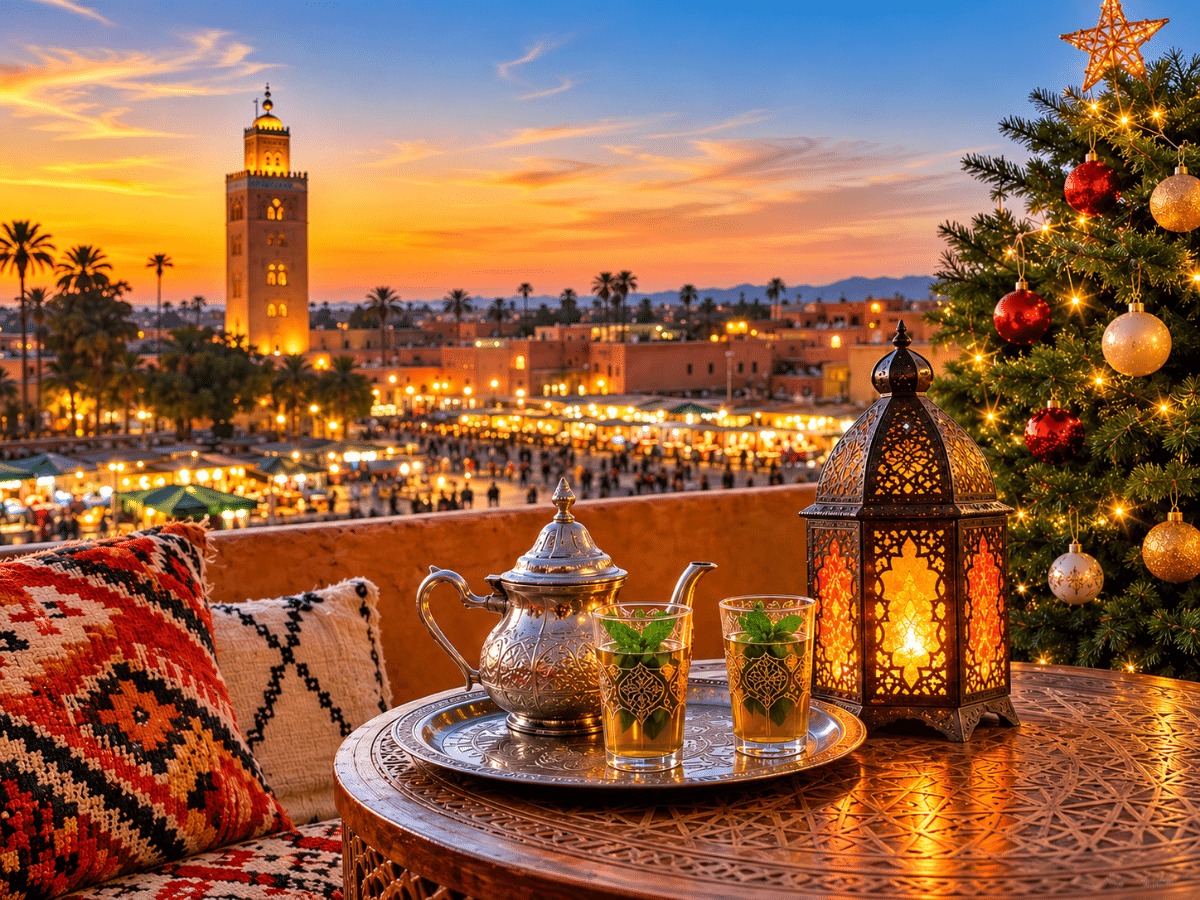
Do Muslims Celebrate Christmas? Islam & Christmas Explained
Understanding Christmas, Islam, and Muslim Cultural Traditions
Many travelers and readers ask, “Do Muslims celebrate Christmas?” The short answer is that Muslims generally do not celebrate Christmas as a religious holiday. Islam has its own religious celebrations, particularly Eid al-Fitr and Eid al-Adha.
However, Muslim attitudes toward Christmas can vary depending on culture, country, family traditions, and personal beliefs. Some Muslims may participate in Christmas-related social activities, while others choose not to take part in the celebration.
Is Christmas an Islamic Holiday?
Christmas commemorates the birth of Jesus Christ and holds major religious importance in Christianity. In Islam, Jesus, known as Isa (عيسى), is also an important prophet. Muslims believe that Jesus was born to Mary, or Maryam, through a miraculous birth.
However, Islamic teachings do not consider Jesus to be the Son of God. Muslims believe in one God and regard Jesus as a respected prophet and messenger.
For this reason, Christmas is not an Islamic religious holiday.
Do Muslims Believe in Jesus?
Yes. Jesus has an important place in Islam.
The Quran mentions Jesus and Mary in several passages, and Mary has a particularly honored position in Islamic tradition. Muslims believe that Jesus performed miracles by God’s permission and that he was a messenger of God.
Therefore, while Muslims and Christians have important differences in their beliefs about Jesus, both religions recognize him as a significant religious figure.
Do Muslims Celebrate Christmas in Muslim Countries?
The answer depends on the country and its local culture.
In countries with Christian communities, Christmas may be widely visible. You might see Christmas decorations, markets, lights, and public celebrations. Muslim residents may interact with Christian friends, neighbors, colleagues, or businesses during this period without necessarily celebrating Christmas as a religious holiday themselves.
In some Muslim-majority countries, Christmas has also become more visible because of tourism, international communities, hotels, restaurants, and commercial activities.
Morocco is a good example. Morocco is a Muslim-majority country with a long history of cultural exchange. Travelers may see Christmas decorations or seasonal events in some hotels, restaurants, shopping areas, and tourist destinations. This does not mean that Christmas has become an Islamic holiday.
Do Muslims Wish Christians a Merry Christmas?
Muslim opinions can differ on this question.
Some Muslims consider it acceptable to offer polite greetings to Christian friends, colleagues, or neighbors as a gesture of respect and goodwill. Others avoid Christmas greetings because they believe that participating in religious celebrations or using religious greetings conflicts with their interpretation of Islamic teachings.
Therefore, there is no single answer that represents every Muslim.
What Holidays Do Muslims Celebrate?
Instead of Christmas, Muslims celebrate two major religious festivals:
Eid al-Fitr
Eid al-Fitr marks the end of Ramadan, the Islamic month of fasting. Families often gather together, wear special clothes, visit relatives, share meals, and give gifts or money to children.
Eid al-Adha
Eid al-Adha is associated with the annual Hajj pilgrimage and commemorates the willingness of Prophet Ibrahim to follow God’s command. Families celebrate with prayers, gatherings, meals, charity, and time with relatives.
These celebrations have a central religious role in Muslim life.
Christmas and Muslim Culture in Morocco
If you travel to Morocco during December, you may notice that the atmosphere differs from Christmas celebrations in traditionally Christian countries.
Morocco does not celebrate Christmas as a national Islamic holiday. Nevertheless, international hotels and tourist destinations may offer Christmas dinners, decorations, or seasonal events, particularly for international visitors.
This creates an interesting cultural experience for travelers. Morocco’s tourism industry welcomes visitors from many different backgrounds, and businesses in popular destinations often adapt to international travelers while maintaining local traditions.
Can Muslims Join Christmas Gatherings?
This depends on the individual and their interpretation of Islam.
Some Muslims may attend a social gathering with Christian friends without considering themselves participants in the religious celebration. Others may prefer not to attend Christmas events.
Consequently, it is better to avoid saying that all Muslims either celebrate or completely avoid Christmas. Muslim communities are diverse, and cultural practices can differ significantly from one country, family, or individual to another.
Do Muslims Give Christmas Gifts?
Generally, Muslims do not exchange gifts specifically as part of an Islamic Christmas tradition because Christmas is not an Islamic festival.
However, Muslims may give gifts to Christian friends, family members, neighbors, or colleagues for many reasons, including friendship and goodwill. Whether someone chooses to exchange gifts during Christmas depends on their personal beliefs and circumstances.
So, Do Muslims Celebrate Christmas?
So, do Muslims celebrate Christmas? Generally, Muslims do not celebrate Christmas as a religious holiday. Islam recognizes Jesus as an important prophet and honors Mary, but Islamic beliefs about Jesus differ from Christian beliefs.
At the same time, Muslim communities around the world are diverse. Some Muslims may take part in Christmas-related social or cultural activities, while others choose not to participate.
When visiting a Muslim country such as Morocco, understanding these cultural and religious differences can help travelers approach local traditions with greater respect and curiosity.
Discover Morocco with Sahara Family Tours
If you are planning to discover Morocco, Sahara Family Tours can help you experience the country’s culture, landscapes, traditions, and welcoming communities.
📧 Email: saharafamilytours@gmail.com
💬 WhatsApp: Contact us directly using the WhatsApp button on our website for a quick response.
